Chemical Peels in Salt Lake City, UT
Excellence is found in the details. Our dermaplaning treatments provide the ultimate canvas for your skincare, meticulously removing barriers to reveal a polished, high-definition finish.

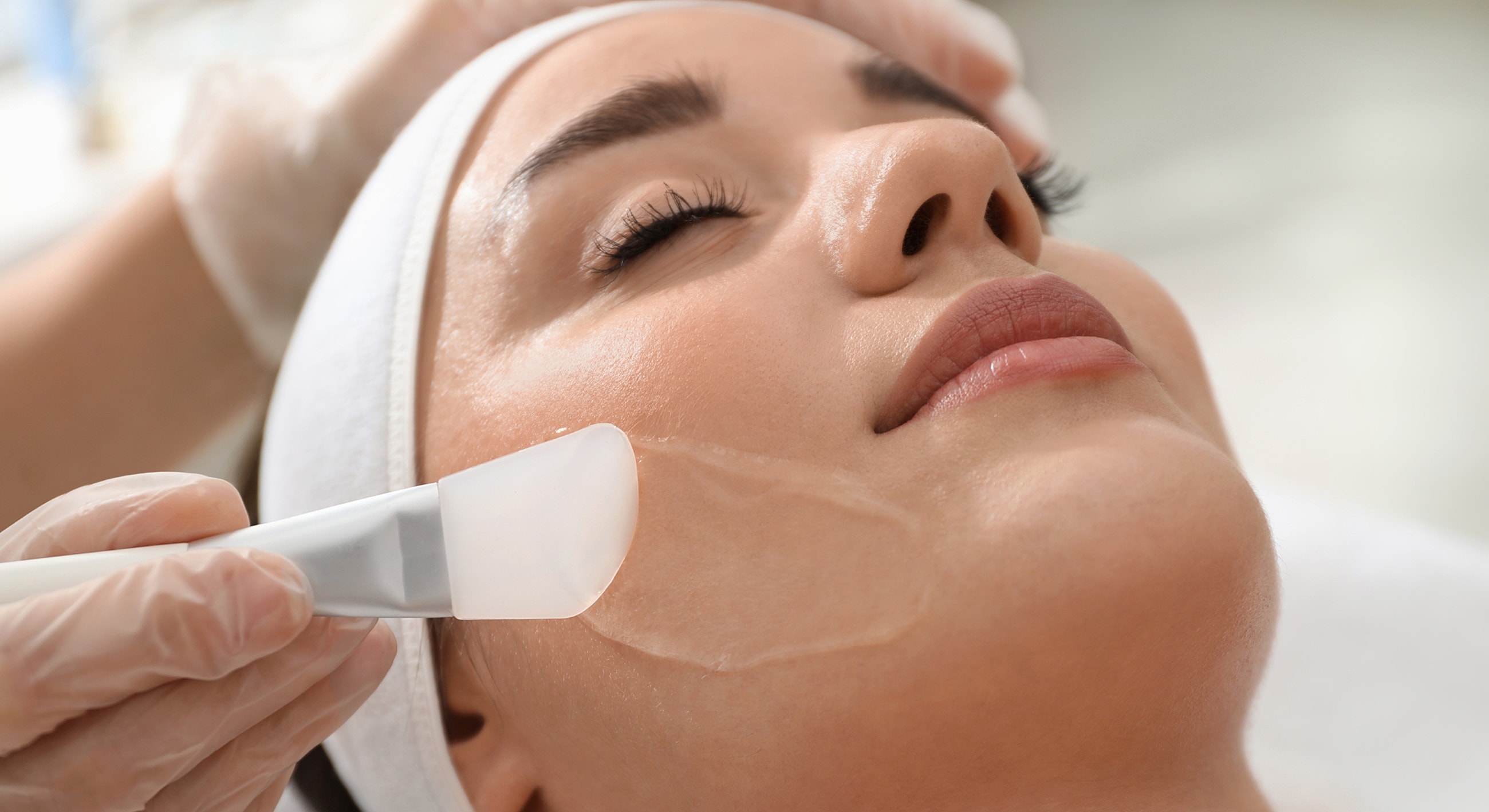
Excellence is found in the details. Our dermaplaning treatments provide the ultimate canvas for your skincare, meticulously removing barriers to reveal a polished, high-definition finish.
Refresh dull, uneven, or blemish-prone skin with a chemical peel selected for your skin type, concerns, and comfort with downtime. At Rise Rejuvenation Center, we offer mild, moderate, and advanced peel options to improve tone and texture while supporting a smoother, brighter, healthier-looking complexion.

A chemical peel is a professional skin-resurfacing treatment that uses a carefully selected blend of acids, enzymes, or other exfoliating ingredients to remove damaged surface cells and encourage more even skin renewal. Depending on the formula and treatment depth, a peel can refresh dull skin, improve rough texture, soften the appearance of fine lines, and reduce certain types of discoloration and acne.
Rise offers several peel strengths so your treatment can be matched to your skin rather than taking a one-formula-fits-all approach.
Mild peels provide light exfoliation with acids or enzymes that refresh the skin’s surface. These treatments are ideal for patients who want brighter, smoother skin with minimal visible peeling or disruption to their routine.
Moderate peels reach deeper into the skin’s surface to address more noticeable texture, uneven tone, breakouts, and pigmentation. Some dryness, flaking, or peeling may occur as fresh skin is revealed.
Advanced options provide more intensive resurfacing for concerns such as stubborn discoloration, acne-related marks, rough texture, and visible signs of aging. These treatments require more careful preparation and aftercare, and recovery varies by the specific formula used.

The BioRePeel is an advanced, two-phase TCA 30% peel with NO social downtime!
It offers moisturizing effects by providing the skin with amino acids and vitamins while also offering exfoliating benefits by providing the skin with a cocktail of AHA and BHA. The BioRePeel has been a highly requested treatment because of the amazing results and groundbreaking technology.
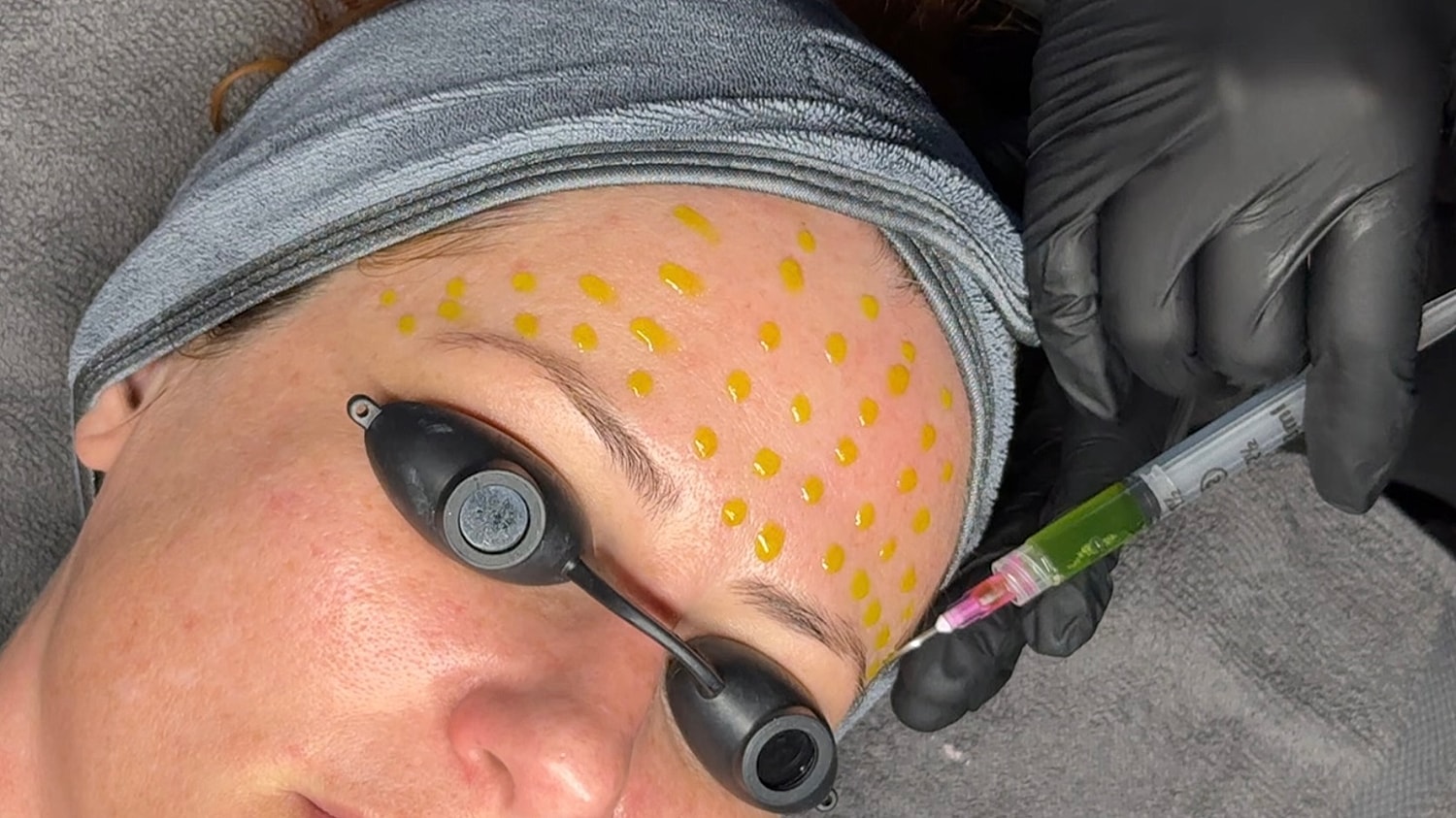
For our patients in Salt Lake City chemical peels are most often performed on the face, but certain formulas can also rejuvenate skin on the neck, chest, back, or hands. The appropriate treatment area depends on the peel, the condition of your skin, and your provider’s assessment.
Your Rise provider will determine whether a chemical peel is suitable for the area you want to treat and select an appropriate formula and strength.

With chemical peels Salt Lake City patients can address several concerns involving the skin’s surface, tone, and texture. Depending on the ingredients and depth selected, treatment may improve:
Chemical peels cannot correct every type of scar, deep wrinkle, or skin laxity. If your concern extends beneath the skin’s surface, your provider may recommend microneedling, laser treatment, injectables, or a coordinated treatment plan instead.
A chemical peel removes accumulated surface cells that can leave the complexion looking rough, congested, or uneven. As the treated skin renews, patients may notice a smoother texture, brighter tone, and more refined overall appearance.
Additional benefits may include:
Results of a chemical peel depend on the peel selected and the condition being treated. Some patients benefit from one treatment, while others see their best improvement through a carefully spaced series.
Chemical peels may be appropriate for adults who want to improve uneven tone, rough texture, dullness, certain types of acne, fine lines, or sun-related discoloration without undergoing a more invasive procedure. The strongest candidate is willing to follow preparation and aftercare instructions, including daily sun protection.
Chemical peels can be performed on a wide range of skin tones, but the formula, strength, and preparation must be chosen carefully. Some skin types have a greater risk of post-inflammatory hyperpigmentation, making provider experience and individualized planning especially important.
Tell your our Salt Lake City medspa providers about:
Your consultation allows your provider to determine whether a peel is appropriate and which option offers the best balance of improvement, comfort, and recovery for your skin.

30 Minutes
A mild chemical peel that uses an enzyme to gently exfoliate dead skin. This peel will give you a red carpet glow without the downtime and gets you in and out!
30 Minutes
This moderate peel is a gentle yet effective resurfacing treatment that helps smooth texture, brighten dull skin, reduce fine lines, and improve overall clarity with minimal downtime.
30 Minutes
This advanced chemical peel uses the Perfect Dermapeel to intensely resurface and improve pigmentation, skin texture, active and non inflamed acne, and overall improve skin tone.
60 Minutes
The BioRePeel offers moisturizing effects by utilizing amino acids while also offering exfoliating benefits by providing the skin with a cocktail of AHA and BHA with NO social downtime.
+15 Minutes
Add this on to your BioRePeel to target your face, neck, & chest. This peel offers moisturizing and exfoliating benefits with NO social downtime.

Following a chemical peel Salt Lake City patients may experience:
Results develop as the treated surface cells shed and the skin completes its initial healing process. A mild peel may leave the complexion looking brighter and smoother within several days. Moderate or advanced treatments may require more recovery before the improvement becomes clear.
Results can include:
Chemical peel results are not permanent because the skin continues to age and remains exposed to sunlight and environmental stress. Daily sunscreen, appropriate home skincare, and maintenance treatments can help protect the improvement.
Some patients achieve their goals with a single peel, while others benefit from a series. Your recommended number of treatments and spacing will depend on the specific peel, your skin’s response, and the concern being addressed.
Recovery after a chemical peel depends on the depth and ingredients of your peel. Mild treatments may cause temporary redness, tightness, dryness, or light flaking. Moderate and advanced treatments can produce more visible peeling and may require several days of modified skincare and social downtime.
During recovery:
Contact Rise if you experience unexpected pain, blistering, increasing swelling, signs of infection, or another reaction that concerns you. Your provider will give you peel-specific instructions because recovery after a light enzyme peel differs from recovery after a more intensive resurfacing treatment.


A successful peel begins with selecting the right treatment for the patient in front of us. At Rise Rejuvenation Center, we consider your skin tone, sensitivity, current routine, treatment history, concerns, and tolerance for downtime before recommending a chemical peel.
Our menu ranges from light, refreshing options to more intensive resurfacing treatments, allowing us to build a plan around your skin rather than automatically choosing the strongest formula. We can also evaluate whether a peel should be used on its own or coordinated with treatments such as Hydrafacial, microneedling, or laser rejuvenation.
Patients from Salt Lake City, Park City, and surrounding communities visit our Murray practice for thoughtful recommendations, advanced skincare options, and an environment that feels polished, welcoming, and down-to-earth. Our goal is healthy-looking improvement that feels natural and appropriate for your skin.
Treatment frequency depends on the type and strength of the peel. Mild peels may be repeated as part of a series, while more intensive treatments require longer intervals and additional recovery. Your provider will recommend a schedule based on your skin, goals, and response to treatment.
Chemical peels can improve discoloration left by previous breakouts and may soften mild surface irregularities. They generally cannot correct deep or indented acne scars on their own. Microneedling, laser treatment, or a combined plan may be more appropriate for deeper scarring.
Chemical peels can be used on many skin tones when the formula and depth are selected carefully. Because some patients have a higher risk of post-inflammatory hyperpigmentation, it is important to work with a trained provider who understands how skin tone affects treatment planning and recovery.
Your provider may ask you to temporarily stop retinoids, exfoliating acids, scrubs, waxing, or other potentially irritating treatments. Avoid tanning and arrive without irritated or sunburned skin. Follow the personalized preparation instructions you receive from Rise, as requirements vary by peel.
The answer depends on the strength of your treatment and how your skin responds. Makeup may be appropriate shortly after some mild peels, while moderate or advanced treatments require more healing time. Wait until your provider says the skin’s surface is ready.
Plan well ahead of weddings, photographs, vacations, or other important events. Even a peel expected to involve minimal downtime can cause temporary redness, dryness, or flaking. Your Rise provider can help you choose an option and treatment date that fit your schedule.
Yes. Professional treatments may use different ingredients, concentrations, and application protocols than products intended for home use. The provider also evaluates your skin, controls how the peel is applied, and gives you aftercare instructions. High-concentration acids should not be used without appropriate professional supervision.
Chemical peels may be incorporated into a broader skin-rejuvenation plan, but every treatment should be timed carefully to avoid excessive irritation or injury. Tell your provider about recent injectables, laser treatments, microneedling, waxing, prescription skincare, and other procedures so your appointments can be spaced safely.

Mon/Wed/Thurs: 9AM - 5:00PM
Tuesday: 9AM - 8:00PM
Friday: 9AM - 3:30PM
Saturday: By Appointment