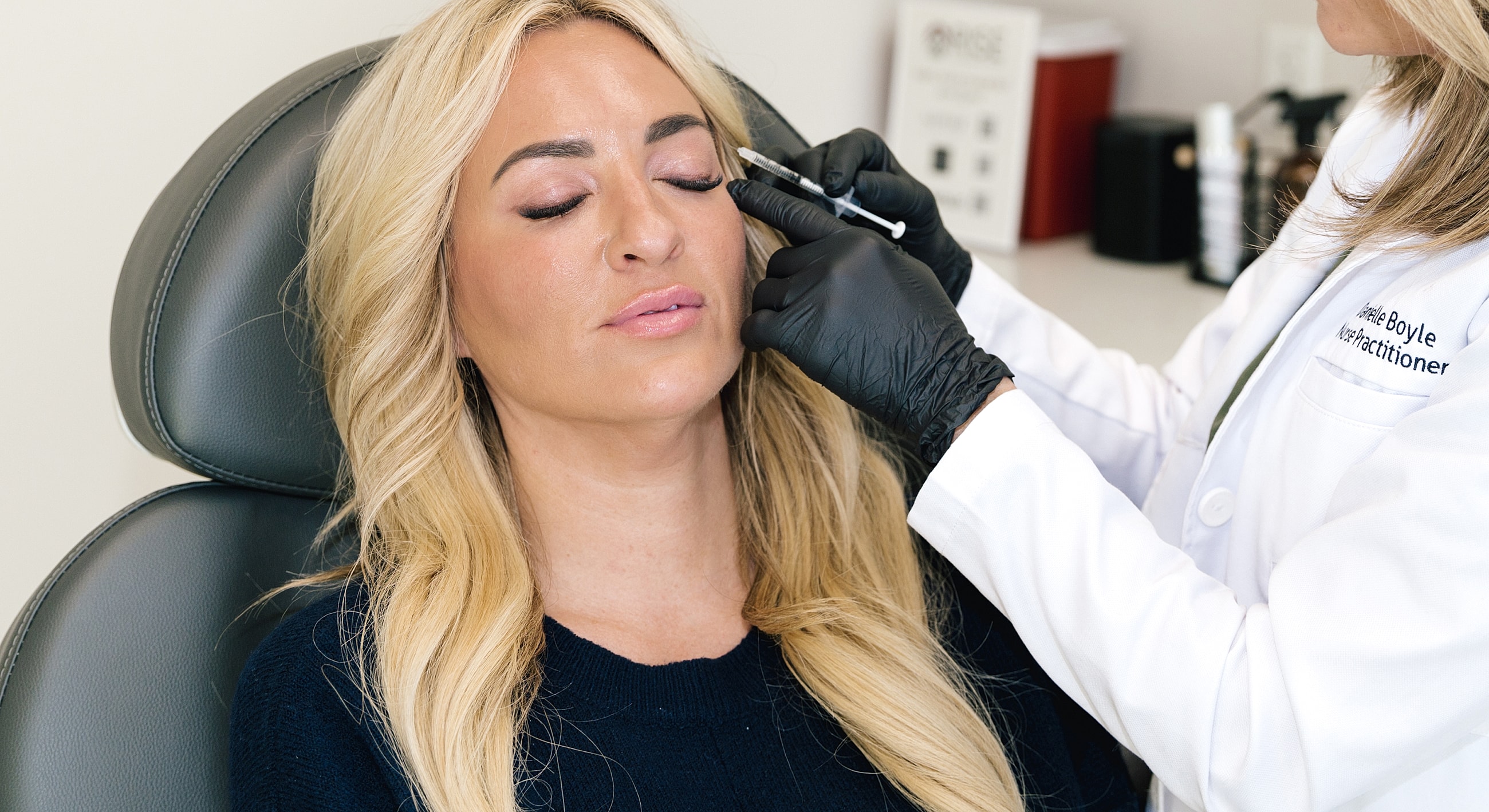
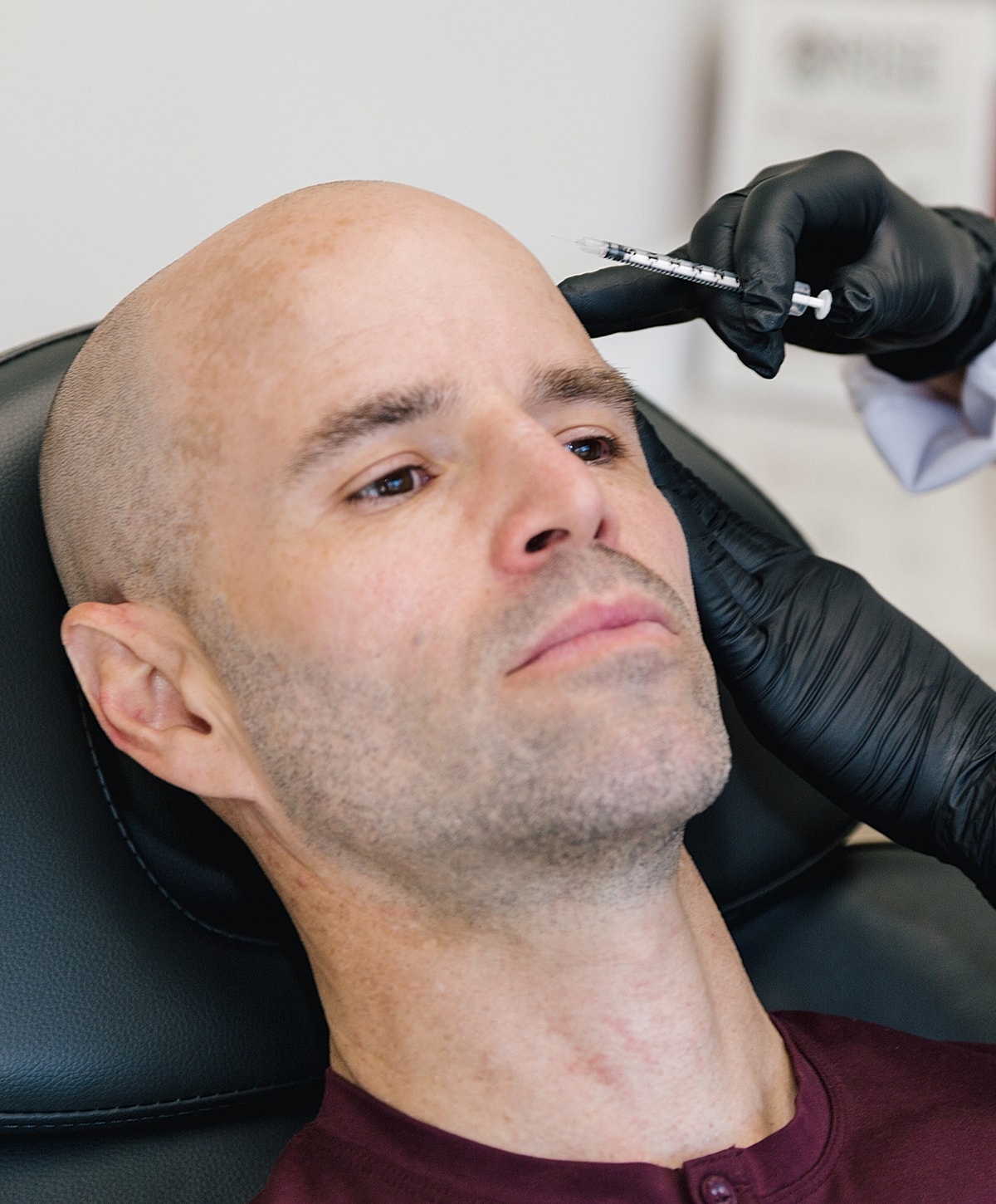
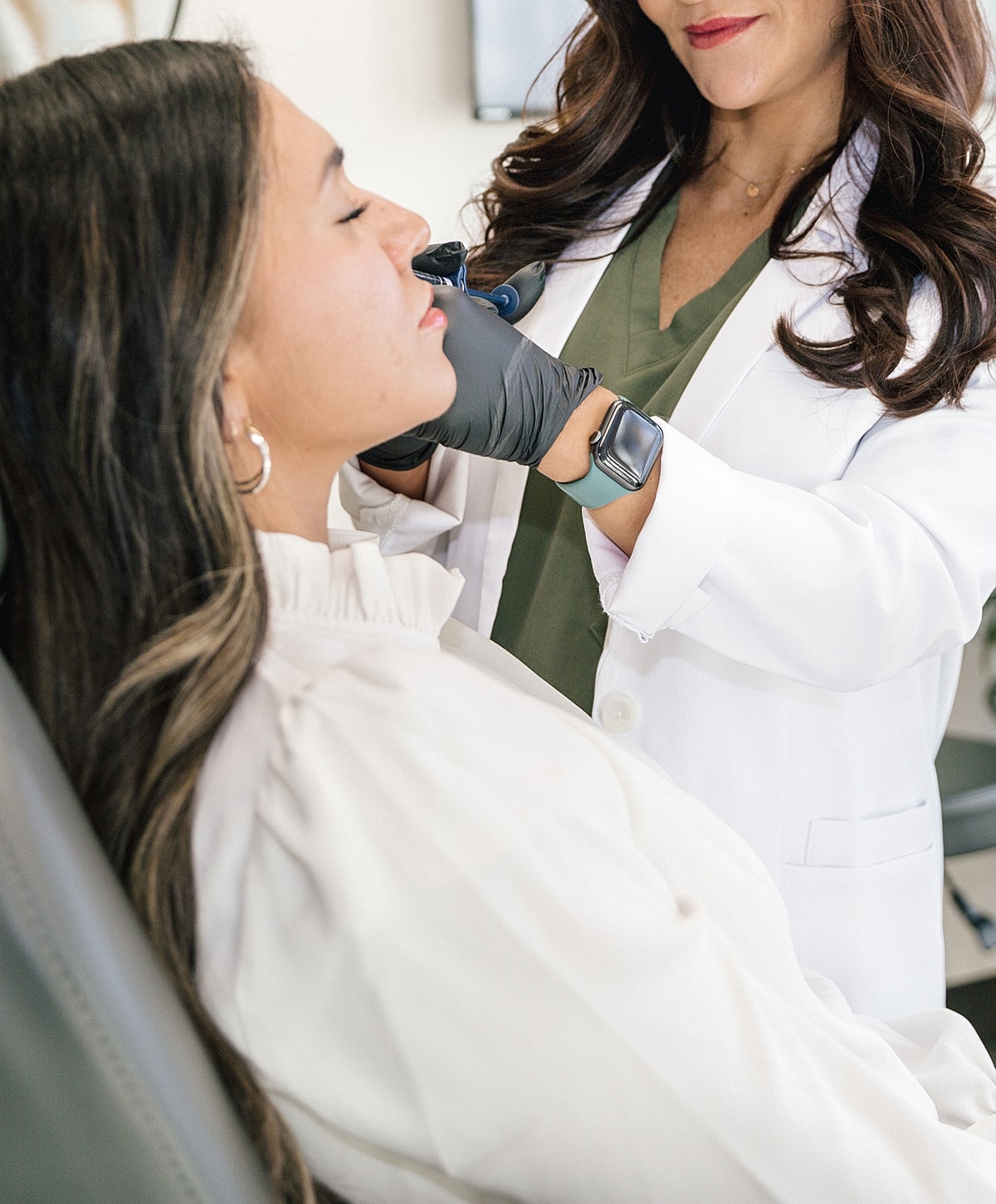
Ready to rediscover a smoother, more refreshed version of yourself? Our specialized neuromodulator injections at Rise Rejuvenation Center provide natural-looking results that soften expression lines while preserving your unique facial character.

Choosing Rise Rejuvenation Center means trusting your face to experts who prioritize safety and natural-looking results. Our FDA-approved neuromodulator therapies, including Botox and Dysport, target the muscles responsible for frown lines, crow’s feet, and other dynamic wrinkles, providing a refreshed, youthful look. Whether we are addressing moderate to severe frown lines or performing a subtle brow lift, we use the latest injectable techniques to provide sophisticated results tailored to your natural facial anatomy.

Smooths frown lines, crow’s feet, forehead lines, and more for a refreshed, youthful appearance. Botox is widely used for cosmetic purposes, such as reducing facial wrinkles and enhancing facial aesthetics.

Patients can return to most normal activities immediately after their Botox treatment.

Injections typically take only 10–15 minutes.

Backed by clinical trials and millions of successful treatments worldwide.
Botox and Dysport are wrinkle-relaxing injectable treatments formulated with botulinum toxin type A, a neuromodulator that temporarily relaxes the muscle contractions responsible for many facial wrinkles. Botulinum toxin treatment is a non-surgical, injectable procedure designed to reduce wrinkles and facial lines for a smoother, more youthful appearance.
Dysport and Botox injections are both used to treat wrinkles like frown lines, crow’s feet, and forehead lines, as well as for subtle lifting and sculpting in areas like the jawline and lips. During the actual treatment, a small amount of the neuromodulator is injected directly into the underlying muscle, causing it to relax and gradually smooth out the appearance of the skin.
Results begin to appear within 3–5 days for Dysport and 5–7 days for Botox, with full effects visible around two weeks post-treatment. Results typically last 3–4 months, depending on your metabolism and the areas treated.
While both are FDA-approved neuromodulators derived from botulinum toxin, the primary difference lies in their specific protein concentrations and “spread.” Dysport tends to have a smaller molecular structure, which may allow it to diffuse more quickly and cover larger areas, such as the forehead, whereas Botox is often preferred for precise, targeted injections in smaller zones. Additionally, some patients find that Dysport results appear a few days faster, though both treatments typically offer similar longevity.

On the day of your Botox or Dysport treatment, your provider will review your goals and identify the facial muscles responsible for lines and creases. After carefully cleansing the planned injection sites, they will use a very fine needle to inject the prescription medicine into the forehead muscles or other targeted areas. Most patients report that the sensation feels like a quick, minor pinch. There is no need for anesthesia, but topical numbing is available for added comfort. The entire process is completed quickly, making the Botox treatment an ideal "lunchtime" procedure.

Our neuromodulator treatments are effective for addressing a variety of concerns, including:
Botox and Dysport have a wide range of cosmetic and medical uses, including:

Botox or Dysport can help prevent or treat the wrinkles and lines created by movement, keeping your face and skin looking young and vibrant. It can also be used for facial slimming, excessive sweating, headache relief, and so much more. Book an appointment to find the best treatment for you!

Botox or Dysport can help prevent or treat the wrinkles and lines created by movement, keeping your face and skin looking young and vibrant. It can also be used for facial slimming, excessive sweating, headache relief, and so much more. Book an appointment to find the best treatment for you!
Botox and Dysport help create a more rested appearance without the need for invasive surgery. By calming the specific facial muscles that cause wrinkles, we can temporarily improve the skin’s surface, preventing the deepening of frown and forehead lines.
Beyond aesthetic improvements, this FDA-approved treatment is a multipurpose prescription. It is highly effective for medical concerns such as chronic migraines and overactive sweat glands. For many, it also serves as a preventative measure, stopping the formation of severe forehead lines before they become permanent.


Most healthy adult patients are excellent candidates for neuromodulators. You may be a candidate if you are looking to treat moderate to severe frown lines, crow’s feet, or other cosmetic concerns related to repetitive facial muscle movements.
However, you should inform your provider of all your medical conditions, especially if you have muscle or nerve conditions such as amyotrophic lateral sclerosis (ALS) or Myasthenia Gravis, as these may be contraindications due to increased risk of adverse effects like muscle weakness and respiratory issues. Also, let your provider know if you are pregnant or nursing. To ensure your safety, disclose all the medicines you are taking, particularly blood thinners or muscle relaxants.

Recovery from botulinum toxin injections is remarkably simple. You may notice slight redness or a small bump at the injection site, which typically resolves within an hour. To achieve the best treatment results, we recommend remaining upright for 4 hours and avoiding strenuous exercise or heat for 24 hours. Do not rub the injection site to prevent the botulinum toxin from migrating to unintended areas. Your Rise provider will give you clear aftercare guidelines to support optimal results.

When you choose Rise Rejuvenation Center, you can expect natural-looking results that preserve the expressiveness of your features. You will begin to notice fewer lines within a few days, with the maximum effect peaking at the two-week mark. Patients reported looking more well-rested and vibrant, as the skin above the relaxed muscles appears smoother and more even.
These treatment results typically last between three and four months. As the effects of the botulinum toxin product wear off, muscle activity will return, and lines may reappear. Booking periodic maintenance treatments helps you maintain your smooth, youthful glow year-round.

At Rise Rejuvenation Center, we treat every face as a unique canvas. Our providers have an expert understanding of facial anatomy, ensuring each injection is placed with precision to deliver maximum aesthetic benefits while preserving the natural character of your features. With each individualized treatment plan, we help you reach your beauty goals with the highest level of personalized care.
Patients normally notice improvement between 7 and 10 days after treatment. After this period, the muscle becomes more relaxed. Results from the initial injections tend to last around three months or more. In order to keep the muscle relaxed and fine lines smooth, we recommend getting a reinjection about every three to four months.
Average dosing is 40-60 units for the full face. To know exactly how many units are needed, we recommend booking an Injectables Consultation! We would be happy to meet you, listen to your goals, and work together to achieve them.
While rare, some patients may experience temporary drooping eyelids, neck pain, or a headache. Upper respiratory tract infection is a potential adverse reaction, especially in pediatric patients treated with Botox for spasticity, who may have a higher frequency of certain adverse reactions than placebo-treated patients. Adult patients with reduced lung function may experience a higher incidence of upper respiratory tract infections as well. Serious symptoms such as difficulty breathing or trouble swallowing are extremely rare but require immediate medical attention. Always disclose any allergic reactions to other botulinum toxin products before treatment.
During your consultation, we will review all your medical conditions. Patients with certain muscle or nerve conditions should avoid Botox Cosmetic. We also recommend waiting until you are no longer providing breast milk to resume injections.
Our providers use sophisticated techniques to ensure your results look natural. We target only the specific associated muscles causing the wrinkles, leaving the rest of your facial expressions intact, so you still look like you, just more refreshed.
Typical doses vary based on the area treated and the strength of your muscles. The average dose for frown lines and crow's feet ranges from 20 to 50 units, but we will determine your specific needs during your consultation.
The primary difference lies in how they address wrinkles: Botox is a neuromodulator that relaxes the underlying muscles responsible for expression lines, such as crow’s feet and frown lines. In contrast, dermal fillers use a gel-like substance—most commonly hyaluronic acid, a naturally occurring substance found in body tissues such as skin and cartilage—to restore lost volume, smooth deep folds, and contour features such as the cheeks or lips. The natural presence of hyaluronic acid in body tissues contributes to its safety and effectiveness as a filler material. Essentially, Botox pauses muscle activity to smooth and prevent facial wrinkles, while dermal fillers “fill” in the skin to restore youthful fullness.
Yes, Botox is an FDA-approved treatment for several therapeutic concerns beyond aesthetics. It is widely used as a prescription medicine to treat chronic migraines, excessive sweating (hyperhidrosis), overactive bladder, and muscle or nerve conditions like cervical dystonia or upper limb spasticity. By relaxing the associated muscles, these injections provide significant relief for patients seeking both functional improvement and long-term wellness.
Botox is also used for bladder dysfunction, including detrusor overactivity. Only patients who are able and willing to perform self-catheterization should be considered for certain treatments, as there is a risk of developing urinary retention. Patients with diabetes mellitus treated with Botox have a higher risk of developing urinary retention and urinary tract infection, and should be closely monitored. In clinical trials, patients receiving a placebo also developed urinary retention, but the incidence was higher in those treated with Botox. Autonomic dysreflexia may occur in patients treated for detrusor overactivity and may require prompt medical therapy. The most frequently reported adverse reactions following injection of botulinum toxin include urinary tract infections and urinary retention.